

Critical Minerals
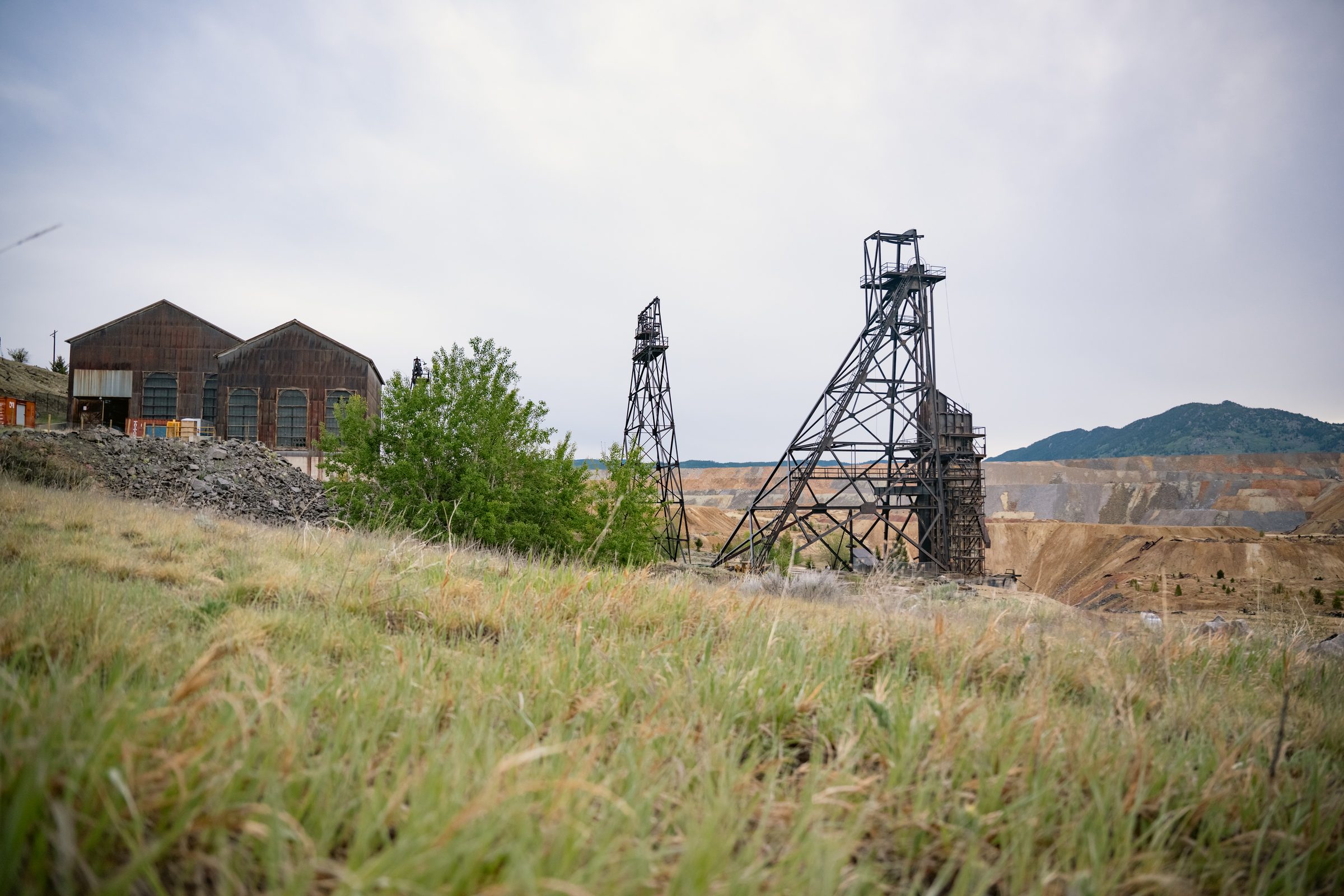
Silver Bow Mining aims to develop critical and precious metals resources through underground mining operations in Butte, Montana. Ten minerals on the 2025 federal critical minerals list occur in the veins of the Rainbow Block.
What Counts as Critical
A legal designation, not a slogan: essential to the economy, vulnerable in supply.
The Energy Act of 2020 defines a critical mineral as a non-fuel mineral essential to the economic or national security of the United States whose supply chain is vulnerable to disruption. The U.S. Geological Survey maintains the official list for the Department of the Interior and revisits it as supply conditions change.
The current list was finalized in November 2025 and names 60 minerals. Ten were new additions, including silver, copper and lead. Zinc, indium, manganese, germanium, gallium, antimony and bismuth carried over from earlier editions. Every one of these occurs in the Butte system.
Designation carries practical weight: listed minerals are eligible for federal permitting priority, Defense Production Act support, and government financing programs aimed at rebuilding domestic supply.
The Minerals at the Rainbow Block
| Mineral | U.S. designation | Principal uses |
|---|---|---|
| AgSilver47 | Added 2025 | Solar panels, electronics, electrical contacts, medicine |
| ZnZinc30 | Listed since 2018 | Galvanized steel, batteries, die-cast alloys, agriculture |
| PbLead82 | Added 2025 | Batteries, radiation shielding, cable sheathing |
| CuCopper29 | Added 2025 | Electrical grid, wiring, motors, electric vehicles |
| InIndium49 | Listed since 2018 | Flat-panel displays, semiconductors, solders |
| MnManganese25 | Listed since 2018 | Steelmaking, aluminum alloys, battery cathodes |
| GeGermanium32 | Listed since 2018 | Fiber optics, infrared optics, semiconductors |
| GaGallium31 | Listed since 2018 | Semiconductors, LEDs, radar, power electronics |
| SbAntimony51 | Listed since 2018 | Flame retardants, batteries, ammunition, alloys |
| BiBismuth83 | Listed since 2018 | Pharmaceuticals, lead-free solders, low-melt alloys |
| AuGold79 | Named in the 2025 executive order | Monetary reserves, electronics, aerospace |
Designations as of the final 2025 List of Critical Minerals (November 2025) · Page reviewed July 19, 2026
Silver, zinc, and lead are designated as Critical Minerals by the United States government. Several of the smaller-volume metals in this table are under Chinese export controls: gallium and germanium since August 2023, and antimony since September 2024. Those controls sharpened federal attention on domestic sources.
The Policy Backdrop
Energy Act of 2020
Established the statutory definition of a critical mineral and directed the USGS to maintain and update the federal list.
Executive order, March 2025
Directed immediate measures to increase American mineral production: faster federal permitting under FAST-41, Defense Production Act authority for mineral projects, and federal financing tools. Its definition of "mineral" names copper and gold alongside the listed critical minerals.
2025 list update, November 2025
The Department of the Interior finalized the expanded 60-mineral list, adding silver, copper and lead among ten new entries, citing new supply-risk data and import dependence.
None of this changes what is in the ground. It changes the value of where the ground is: a polymetallic district on private land, in the United States, with state-level permitting and a century of production history.

Butte's Role
Over the course of its history, the Butte Mining District has produced over 10.8 million tonnes of copper, 715 million ounces of silver, 2.5 million tonnes of zinc and 2.9 million ounces of gold. The silver-zinc veins of the Rainbow Block were mined by the Anaconda Company for decades and remain open along strike and at depth.
Silver Bow Mining is an exploration-stage company: the Rainbow Block has an inferred mineral resource and no mineral reserves. The work now underway, surface drilling and underground rehabilitation, is aimed at upgrading confidence in that resource. Whether Butte again supplies these metals will be settled by drilling, engineering and permitting. Each step is taken as stewards of this ground: work conducted under Montana DEQ authorization, to modern environmental standards, with respect for a district and a community that have carried American mining since 1881.
Critical Minerals FAQ
What is a critical mineral?
Under the Energy Act of 2020, a critical mineral is a non-fuel mineral essential to the economic or national security of the United States whose supply chain is vulnerable to disruption. The U.S. Geological Survey maintains the official list for the Department of the Interior and updates it periodically. The current list, finalized in November 2025, names 60 minerals.
Which critical minerals occur at the Rainbow Block?
Ten minerals on the 2025 federal list occur in the polymetallic veins of the Rainbow Block in Butte, Montana: silver, zinc, lead, copper, indium, manganese, germanium, gallium, antimony and bismuth. The veins also carry gold, which is not a designated critical mineral but is named in the March 2025 executive order on American mineral production.
Is silver a critical mineral?
Yes. Silver was added to the U.S. List of Critical Minerals in the 2025 update, finalized by the Department of the Interior in November 2025. Zinc has been on the list since its first edition in 2018.
Does Silver Bow Mining produce critical minerals today?
No. Silver Bow Mining Corp. (NYSE American: SBMT) is an exploration-stage company. It has an inferred mineral resource and no mineral reserves, and no production has been established. Current work is surface drilling and underground rehabilitation at the Rainbow Block under a Montana DEQ exploration authorization.
Why does Butte matter for U.S. critical minerals supply?
Over the course of its history the Butte Mining District has produced over 10.8 million tonnes of copper, 715 million ounces of silver and 2.5 million tonnes of zinc, and its polymetallic veins carry ten currently listed critical minerals. The Rainbow Block sits on private, patented mining claims with mineral rights, permitted at the state level, in a district with existing infrastructure and a trained workforce.
Sources: U.S. Department of the Interior and U.S. Geological Survey, final 2025 List of Critical Minerals (November 2025); Energy Act of 2020; Executive Order, “Immediate Measures to Increase American Mineral Production” (March 20, 2025). This page is a plain-English aid, not a substitute for the Company’s official disclosure. The Company’s SEC filings and technical reports govern over any summary here. See Important Notices.