The Hill's Story
Every great story starts small. This one begins at a creek in 1864, with a handful of prospectors panning gold from the gravel. Follow it up the hill: a camp becomes the richest silver ground in Montana Territory, then the copper capital of the world. Shafts go down a mile. A city rises, stands through fire and war, and watches the pit era remake its skyline. Five chapters carry you from those first pans on Silver Bow Creek to the drills turning on the hill today. Take your time. The hill has earned it.
1864 – 1893
The Early Camp
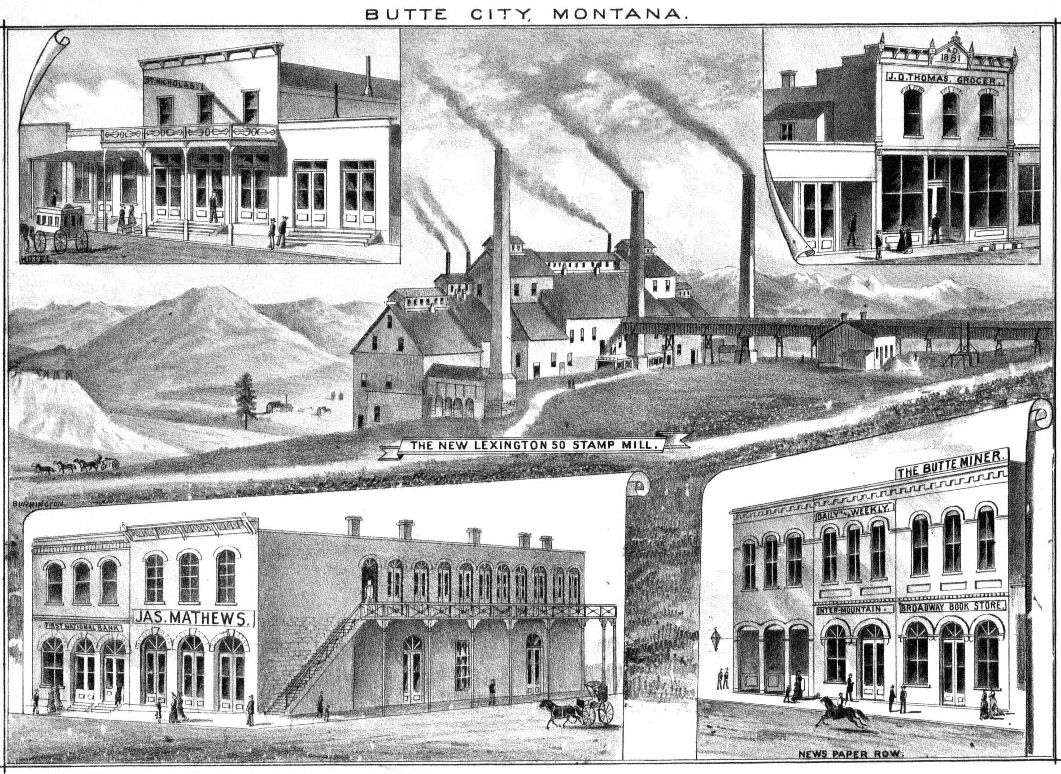
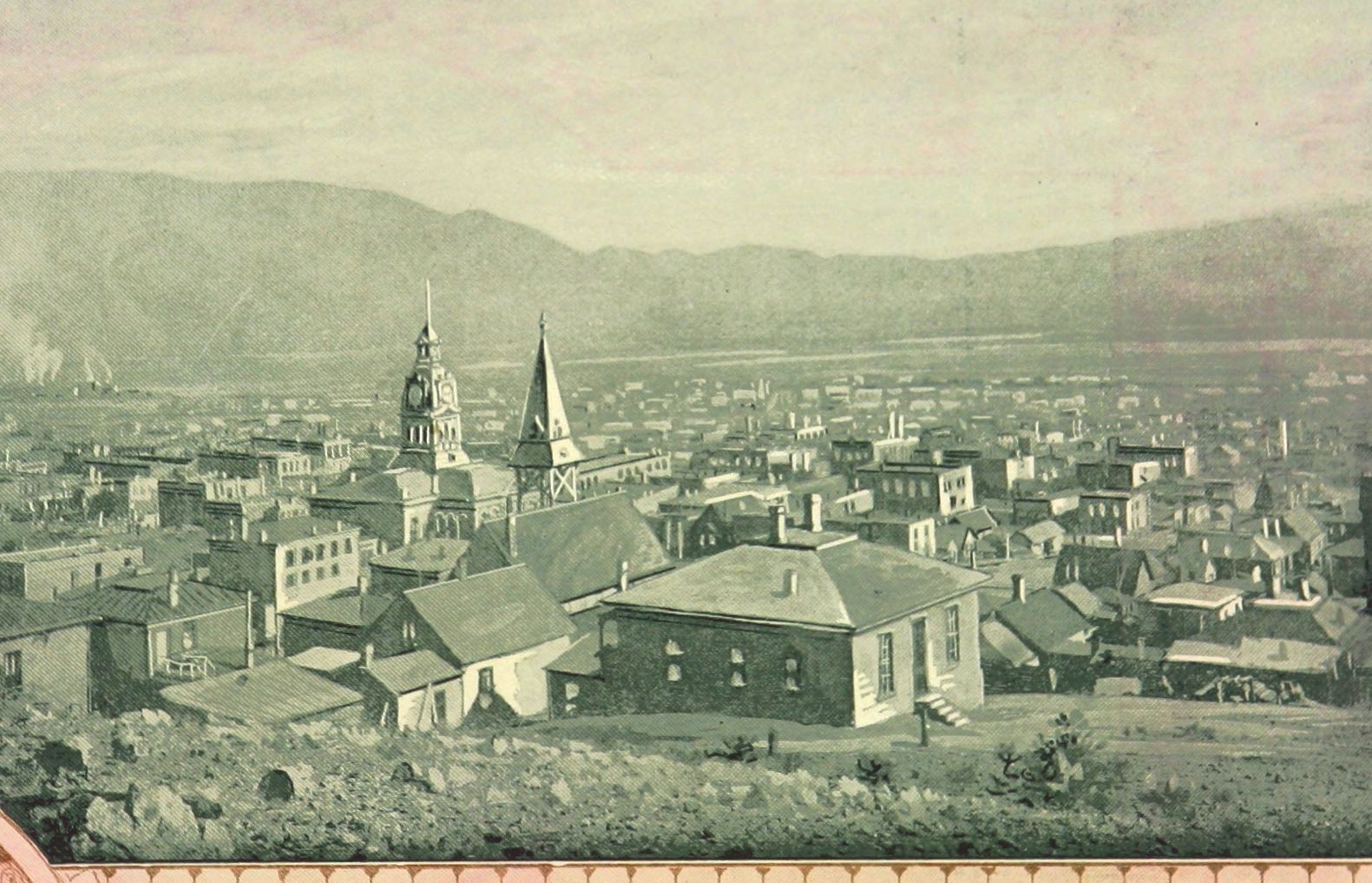
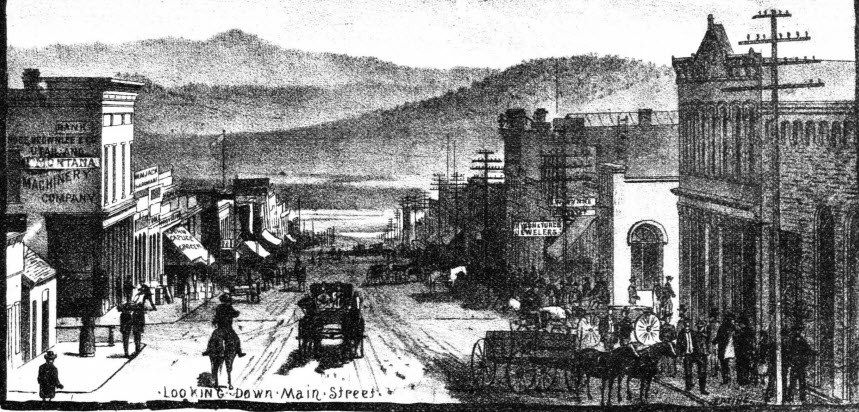
Start where the miners started: at a creek, with a pan of gravel. Twenty years on, the hill above the camp holds some of the richest silver mines in Montana Territory, and its biggest strike is still hiding underground.
The camp on Silver Bow Creek
Placer gold is discovered along Silver Bow Creek. The camp that grows around the diggings becomes Butte.
Silver on the hill
Small-scale silver mining begins in Butte. Within a decade the hill carries some of the richest silver mines in the territory.
The copper strike
The Anaconda mine encounters massive copper mineralization at depth. Butte turns from a silver camp into the copper capital of the world.
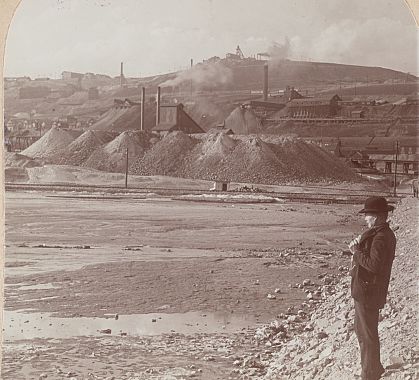

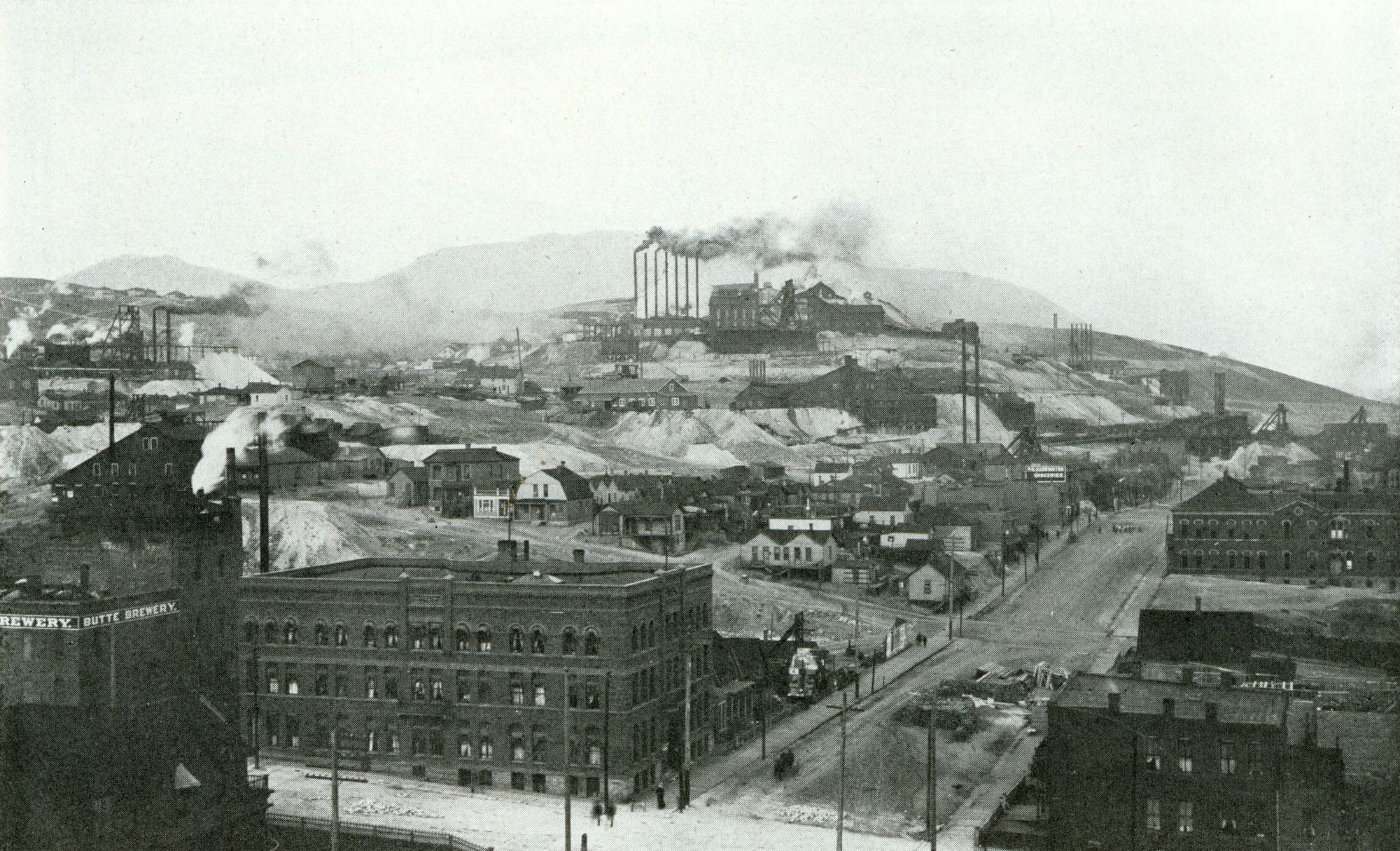
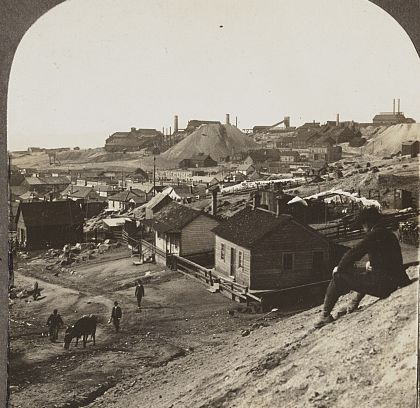
◆ Bird’s-eye panorama of Butte, c. 1908
Haines Photo Co. · Library of Congress1896 – 1915
Copper Capital of the World
Now the camp is a city. Five square miles of this hill produce more copper than any place on earth, and a hundred thousand people make their homes in the streets below the mines.
26% of world supply
Five square miles of the Butte Mining District produce 210 million pounds of copper in a year: 26% of world supply and 51% of U.S. supply.
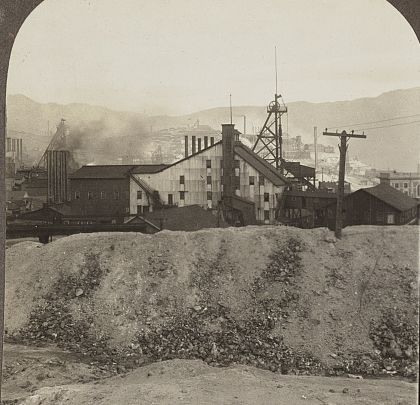
The silver-zinc vein era
Anaconda expands from the deep copper zones into the adjacent silver-zinc-lead veins, including those of the Rainbow Block.
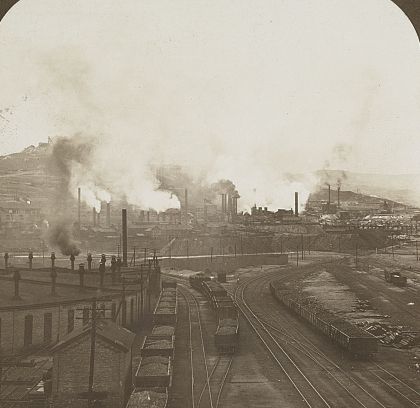
◆ From the archive · The copper peak

◆ The hill bristling with headframes — Butte mines, c. 1914
Todd Photographic Co. · Library of Congress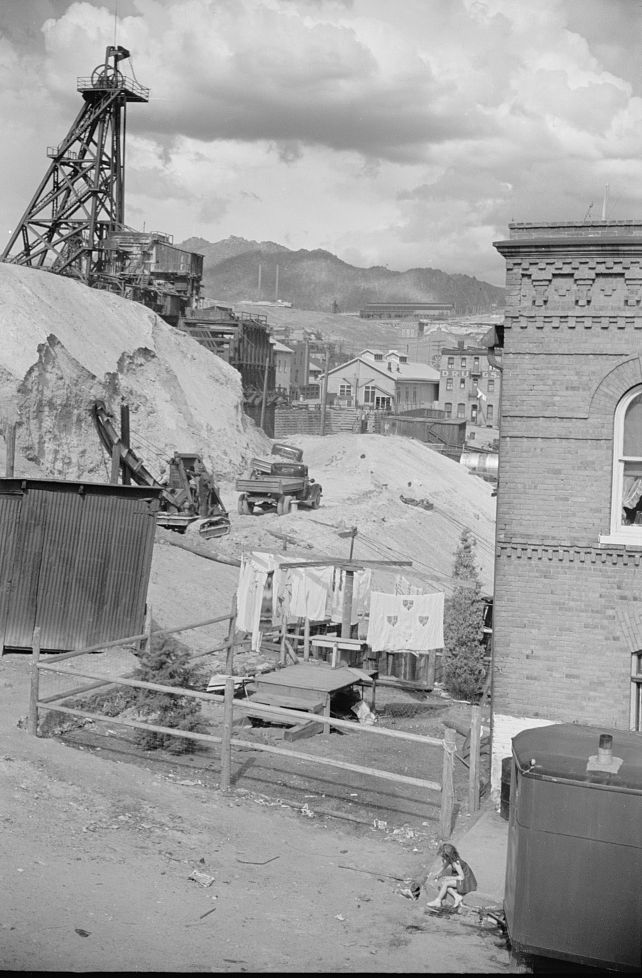
1917 – 1942
War, Labor & the Deep Mines
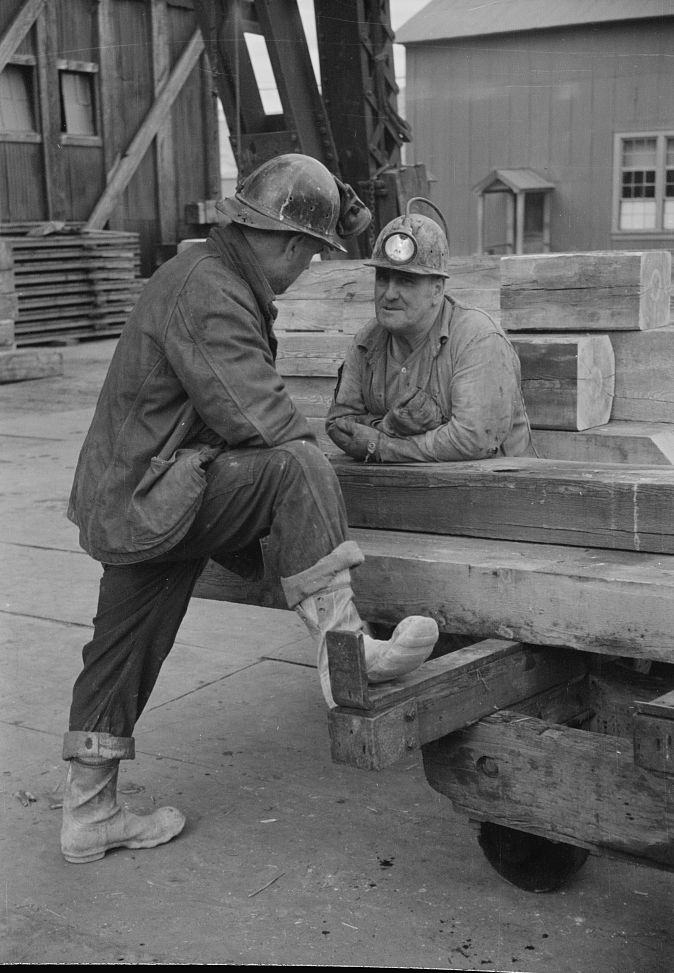
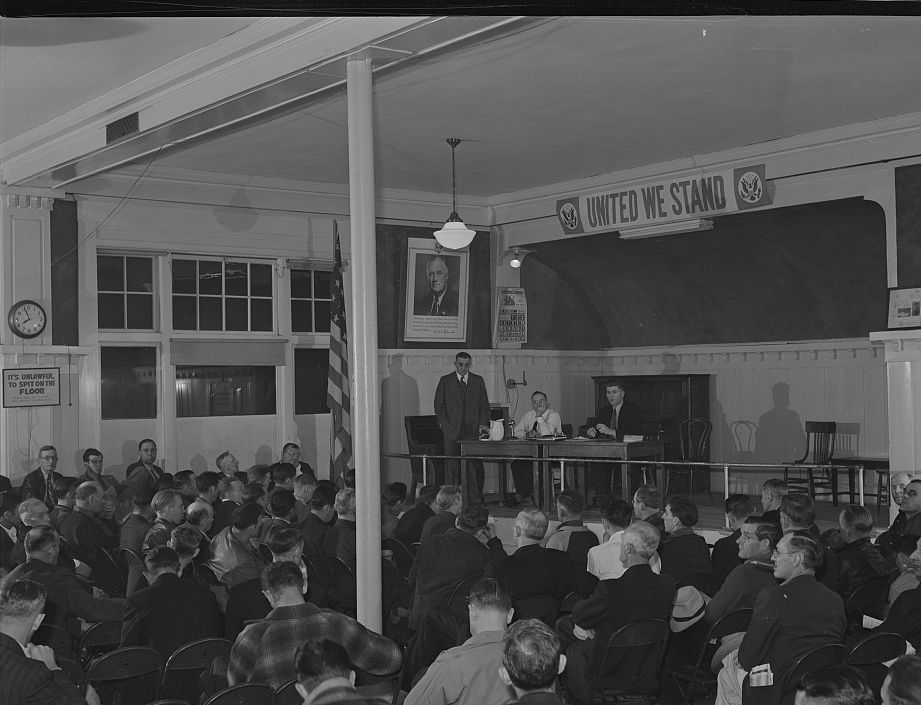
The shafts run a mile deep now, and the copper coming out of them powers two world wars. The men who ride the cages down build one of the strongest union towns in America, and a fire in 1917 teaches the country what that work can cost.
Granite Mountain
A fire in the Granite Mountain and Speculator shafts kills 168 men, the deadliest hard-rock mining disaster in American history. The memorial above Walkerville overlooks the district today.
Copper for the war
Butte supplies roughly a quarter of the copper used in American wartime manufacturing during World War II, after providing a third of U.S. copper in World War I.
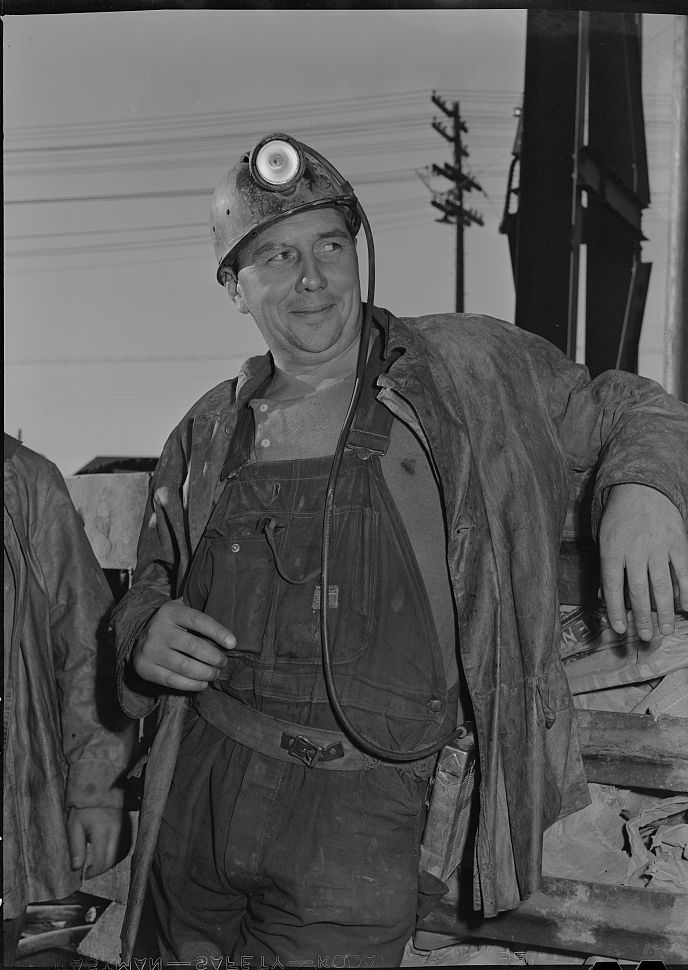
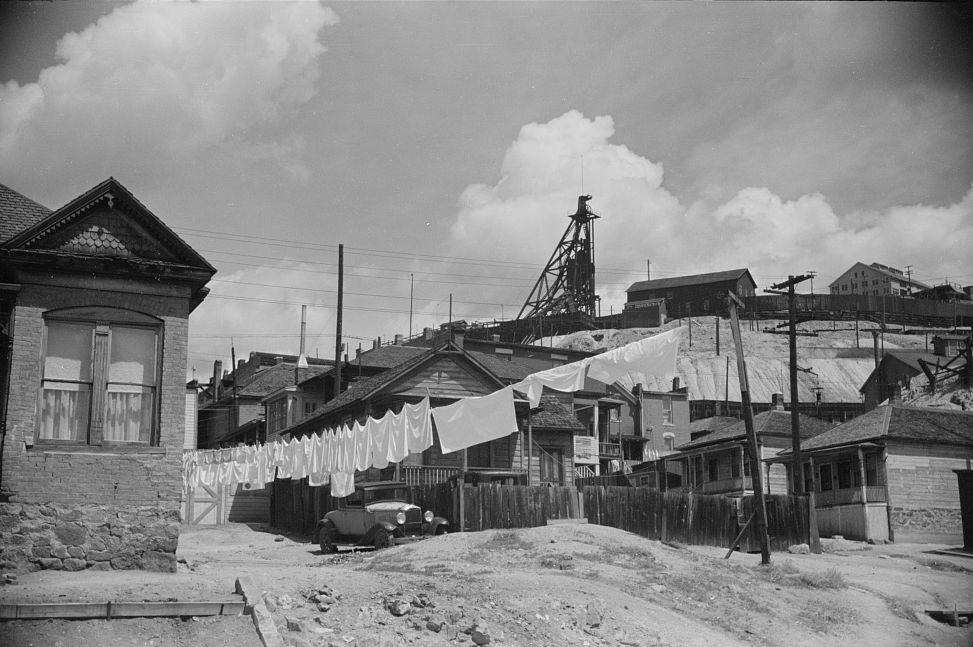
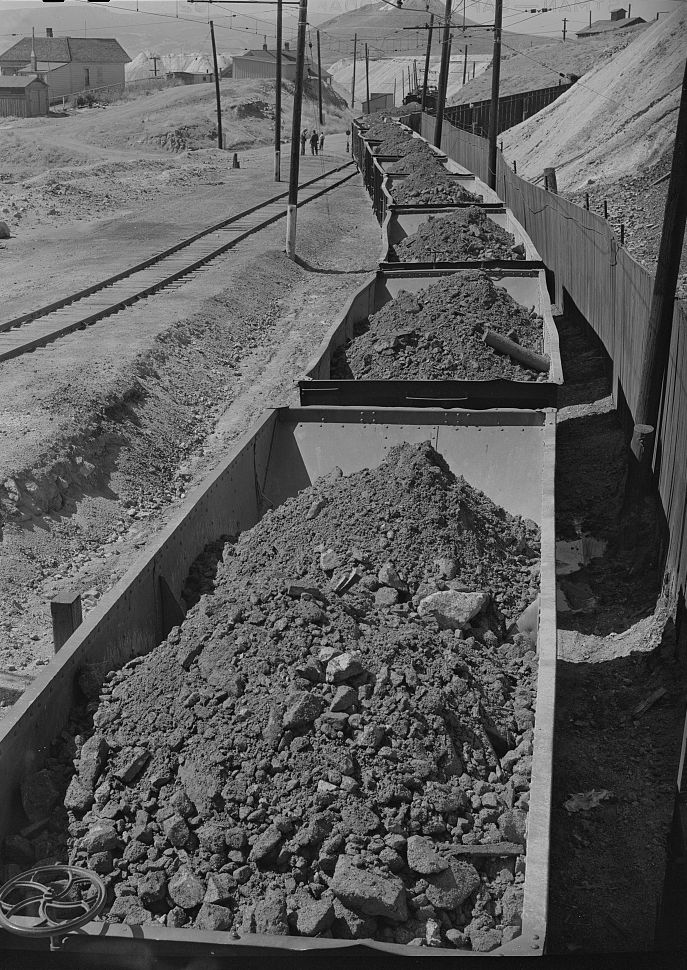
◆ From the archive · The men of the deep mines
1955 – 1986
The Pit Era
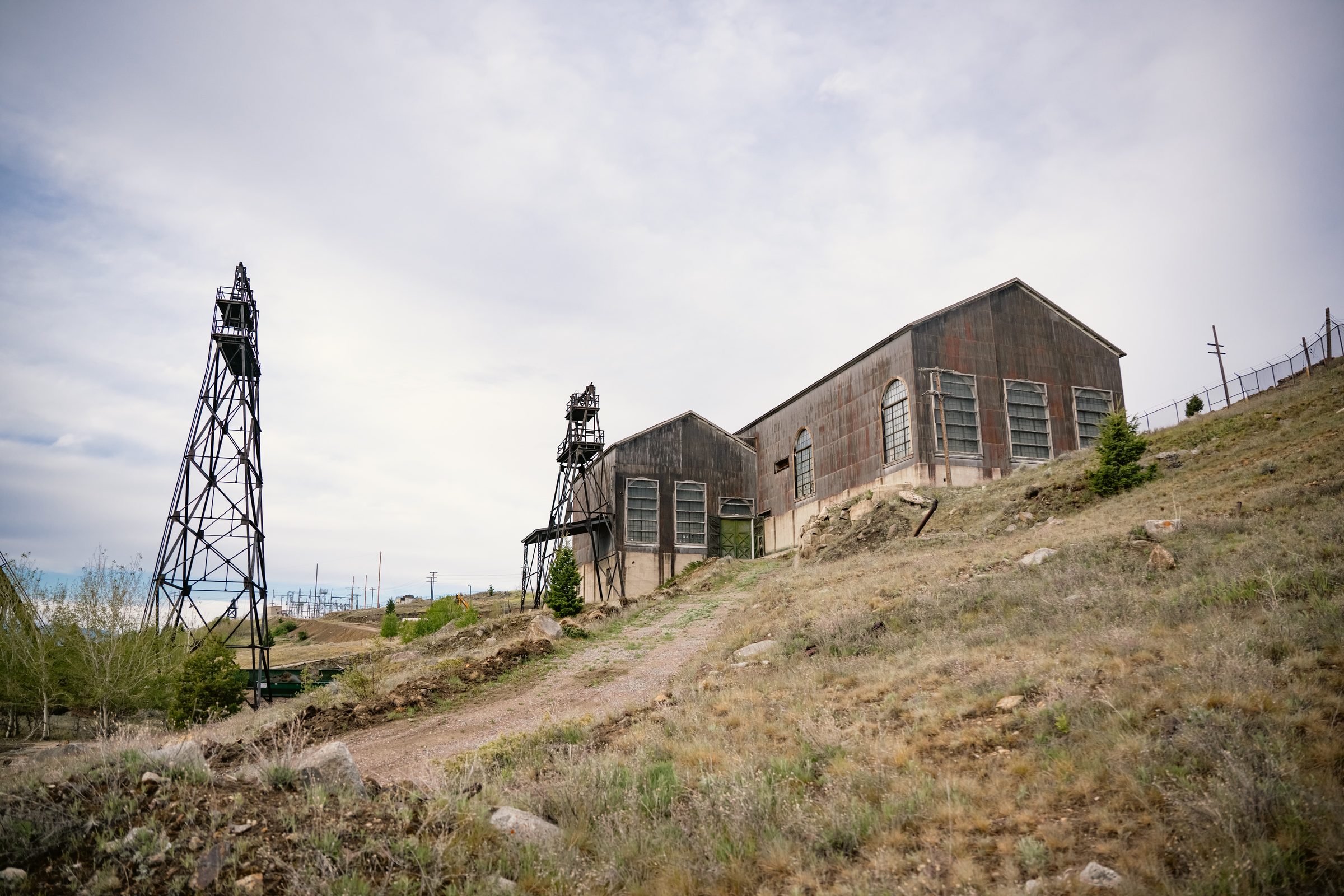
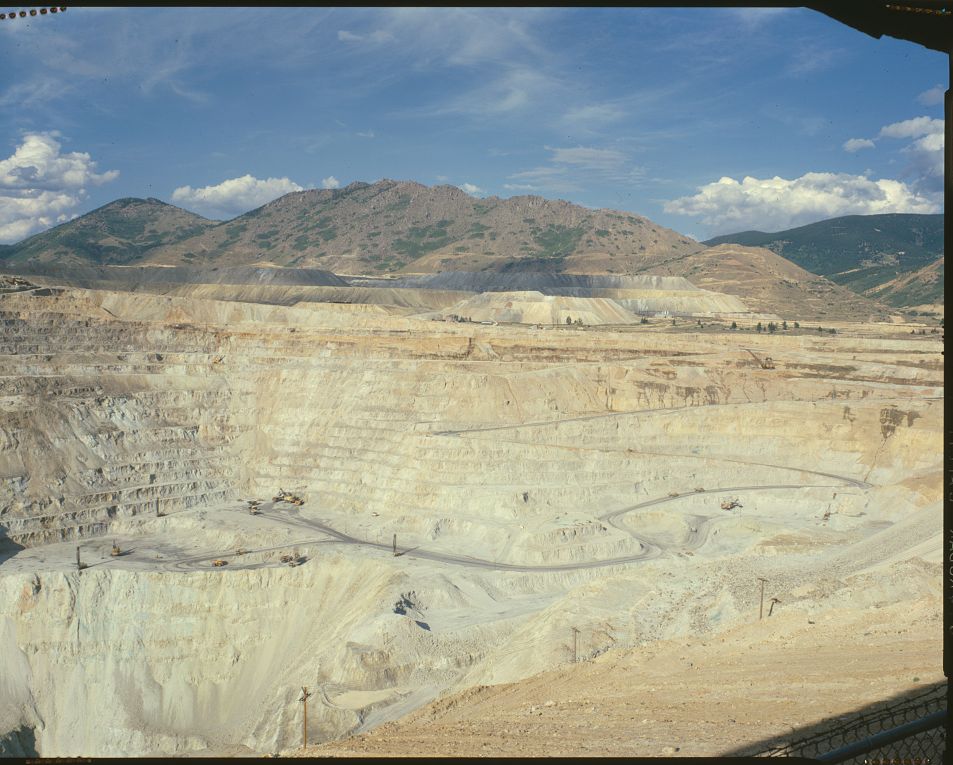
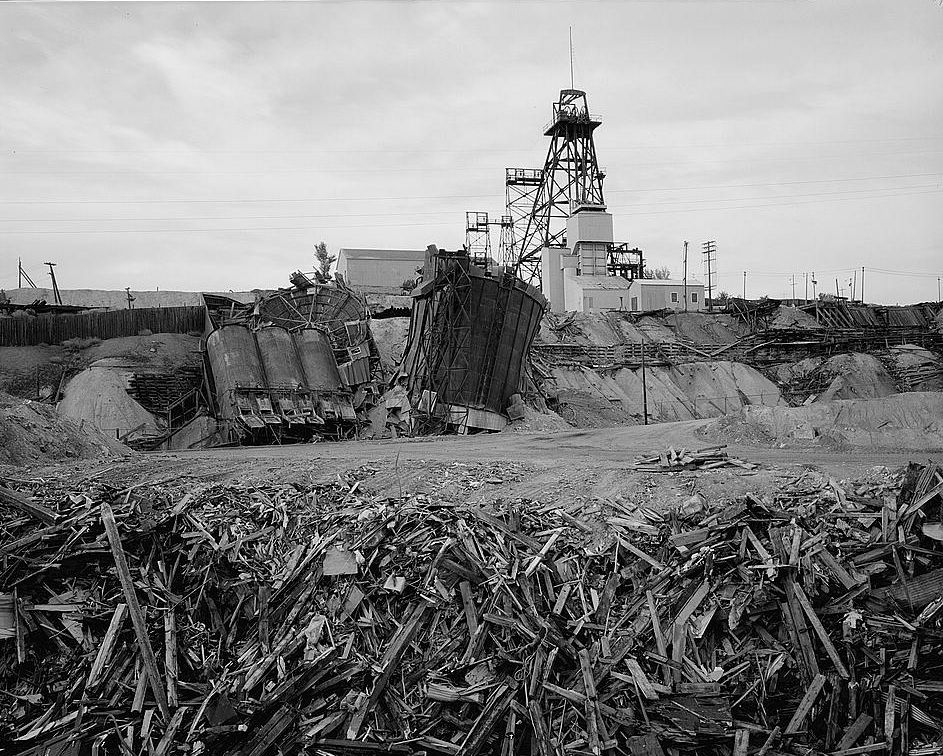
Here the ground itself changes shape. Open-pit mining takes over from the cages and drifts, and once the pumps shut down the deep workings slip under the water. The headframes stay right where they are, standing guard over a national landmark.
The Berkeley Pit
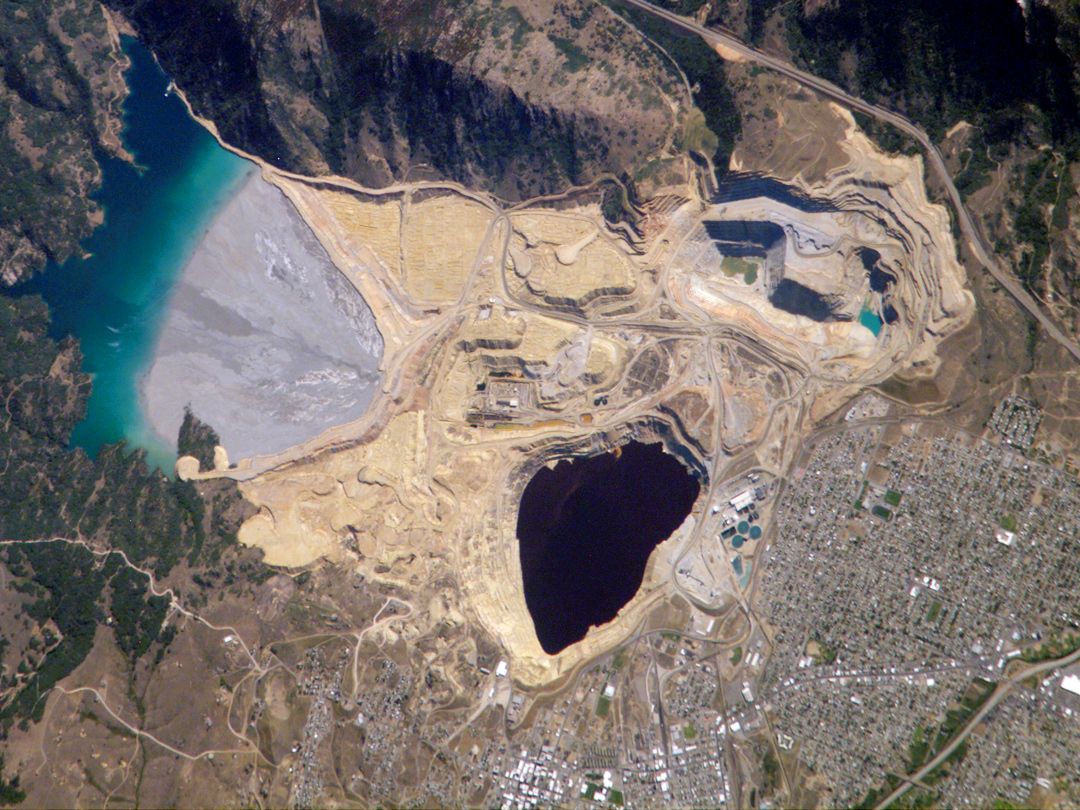
Open-pit mining begins at the Berkeley Pit and the district gradually shifts away from the underground workings.
A national landmark
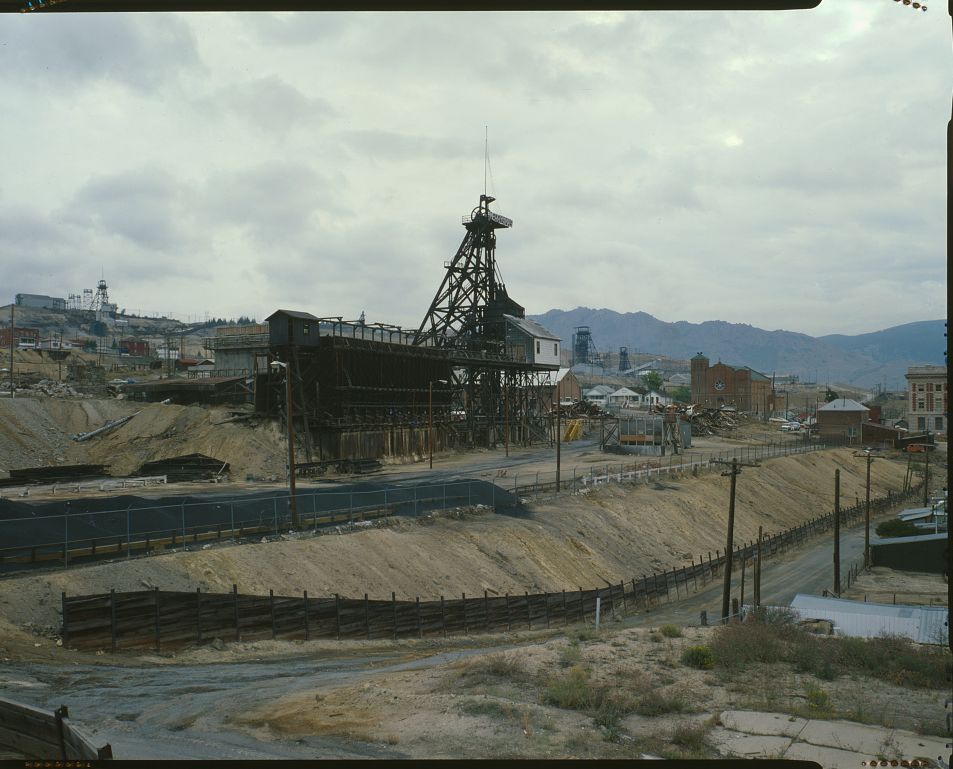
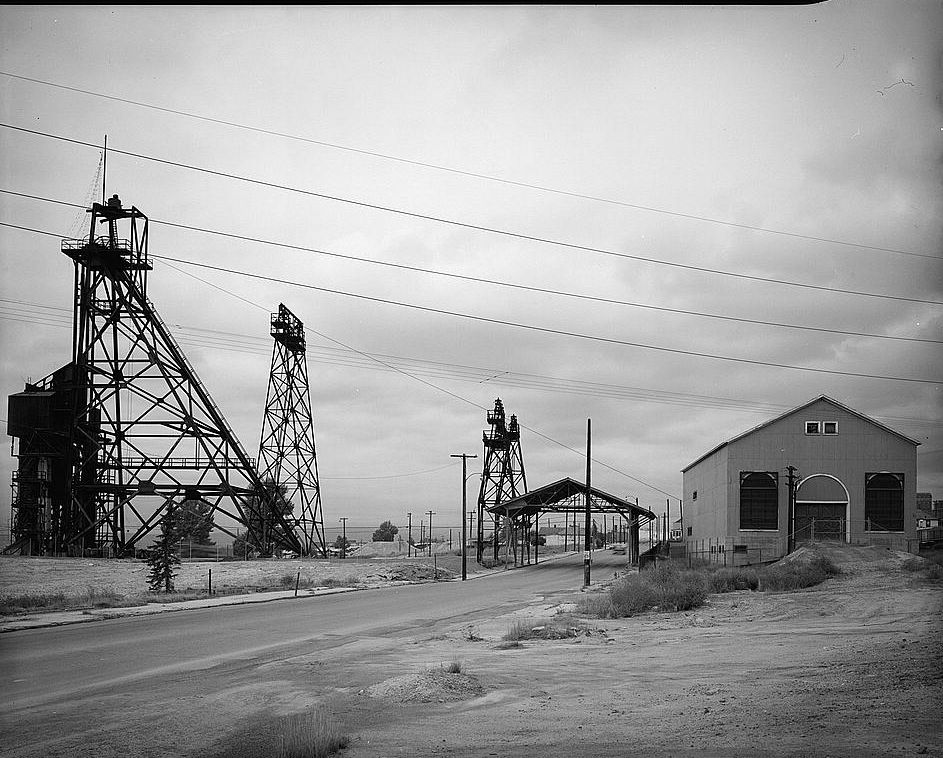
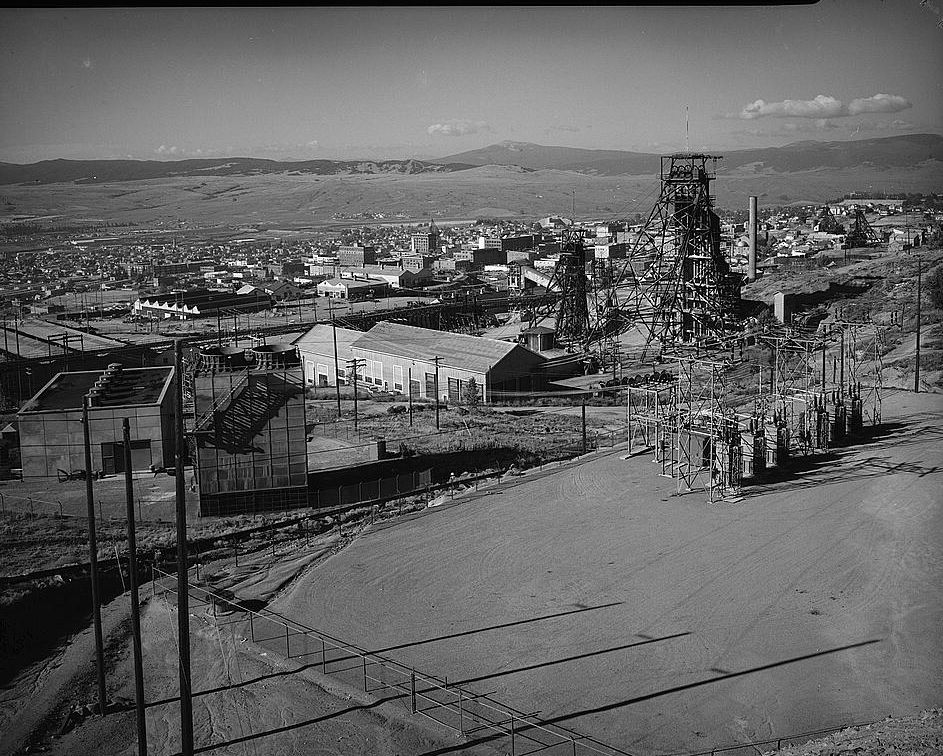
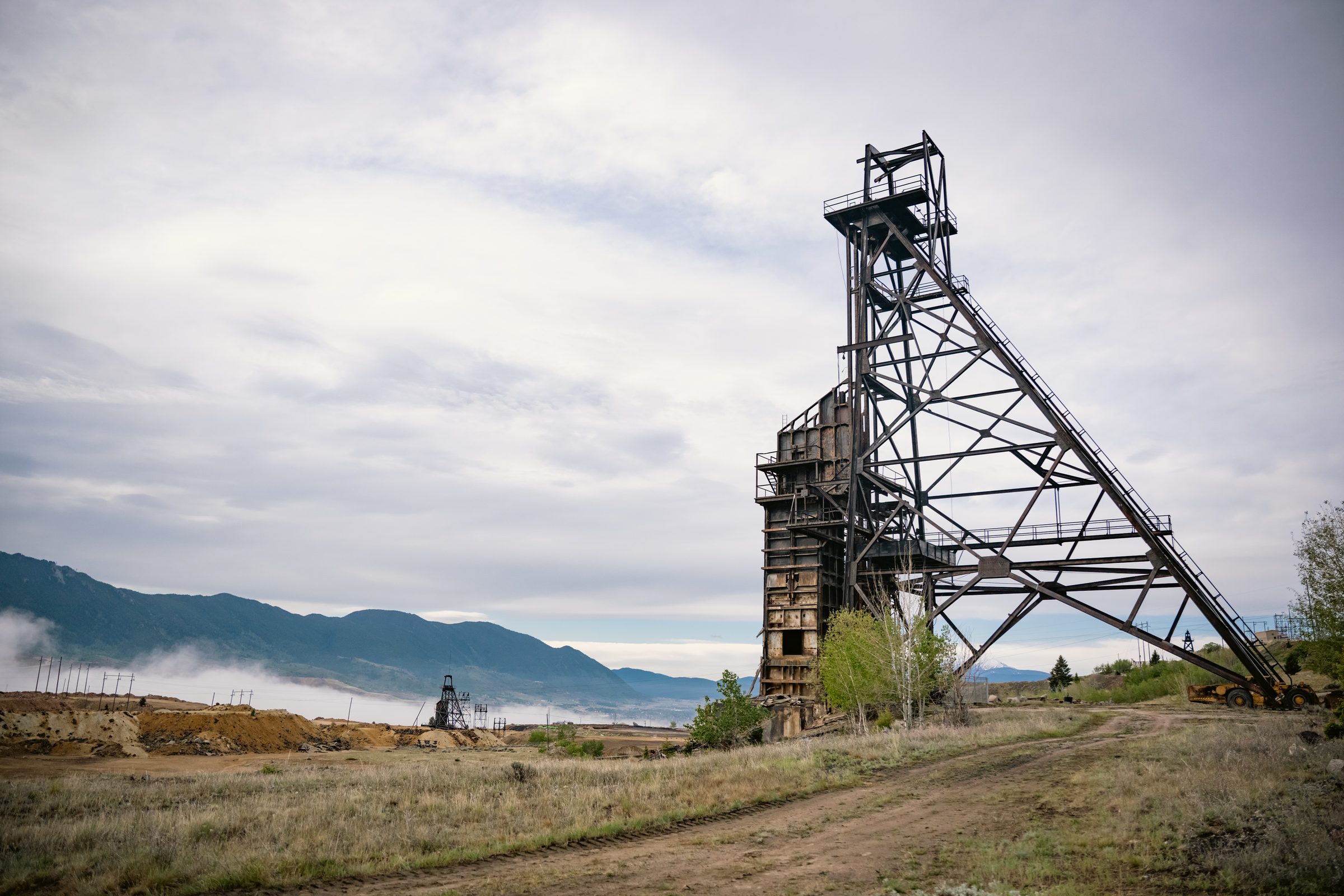
Uptown Butte is designated a National Historic Landmark district, among the largest in the United States. The surviving headframes still mark the skyline.
The pumps shut down
Underground pumping ends and the deep workings below the water table flood. The underground era closes after a century.
Mining continues
Montana Resources resumes open-pit mining at the Continental pit, which operates today adjacent to the Rainbow Block.
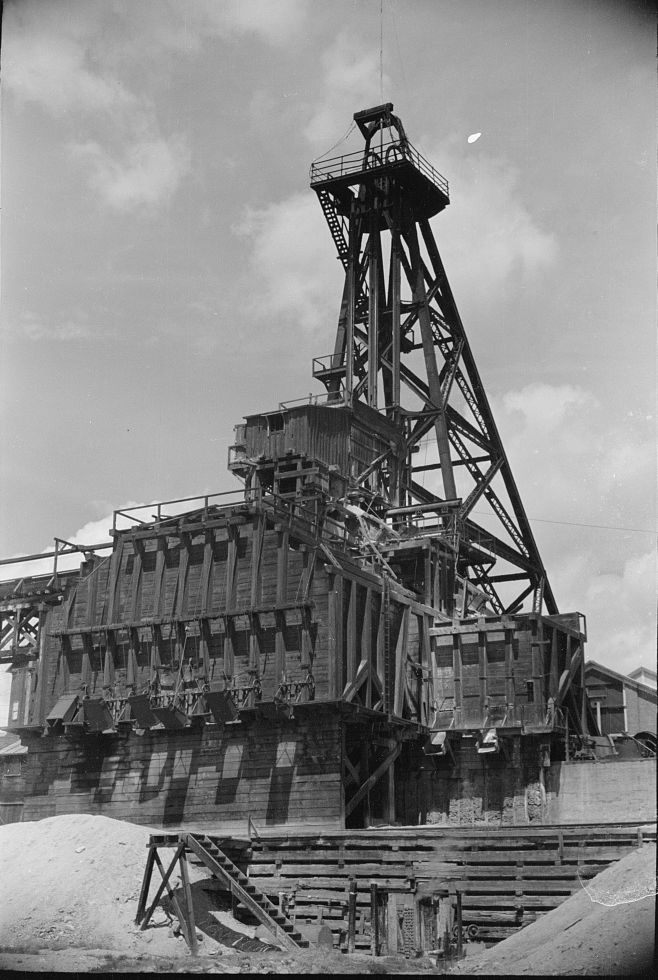
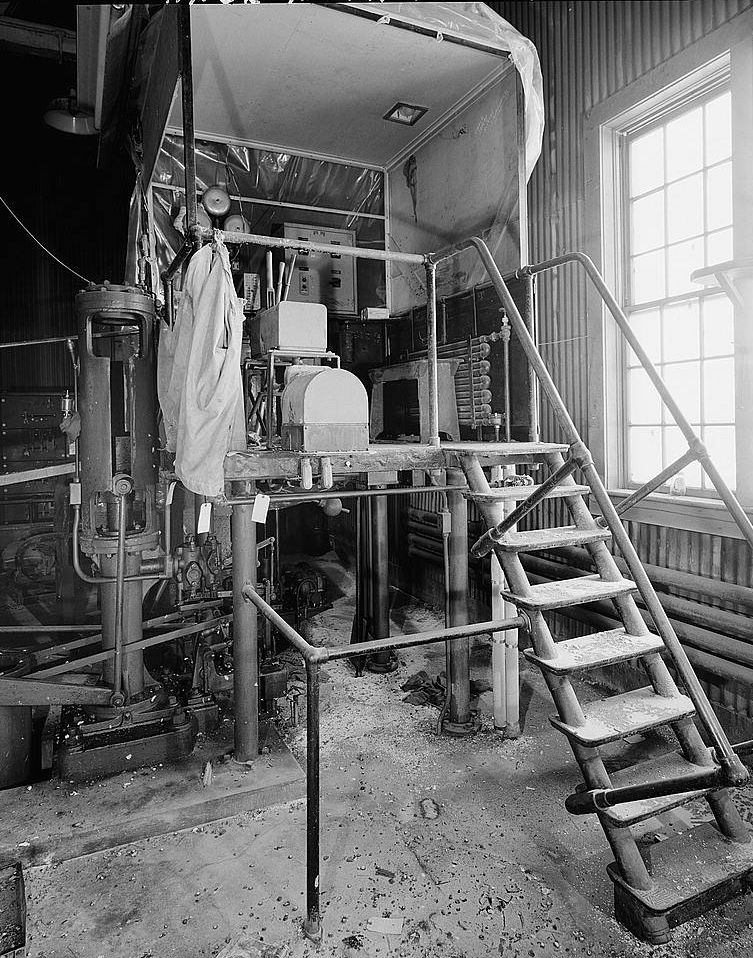
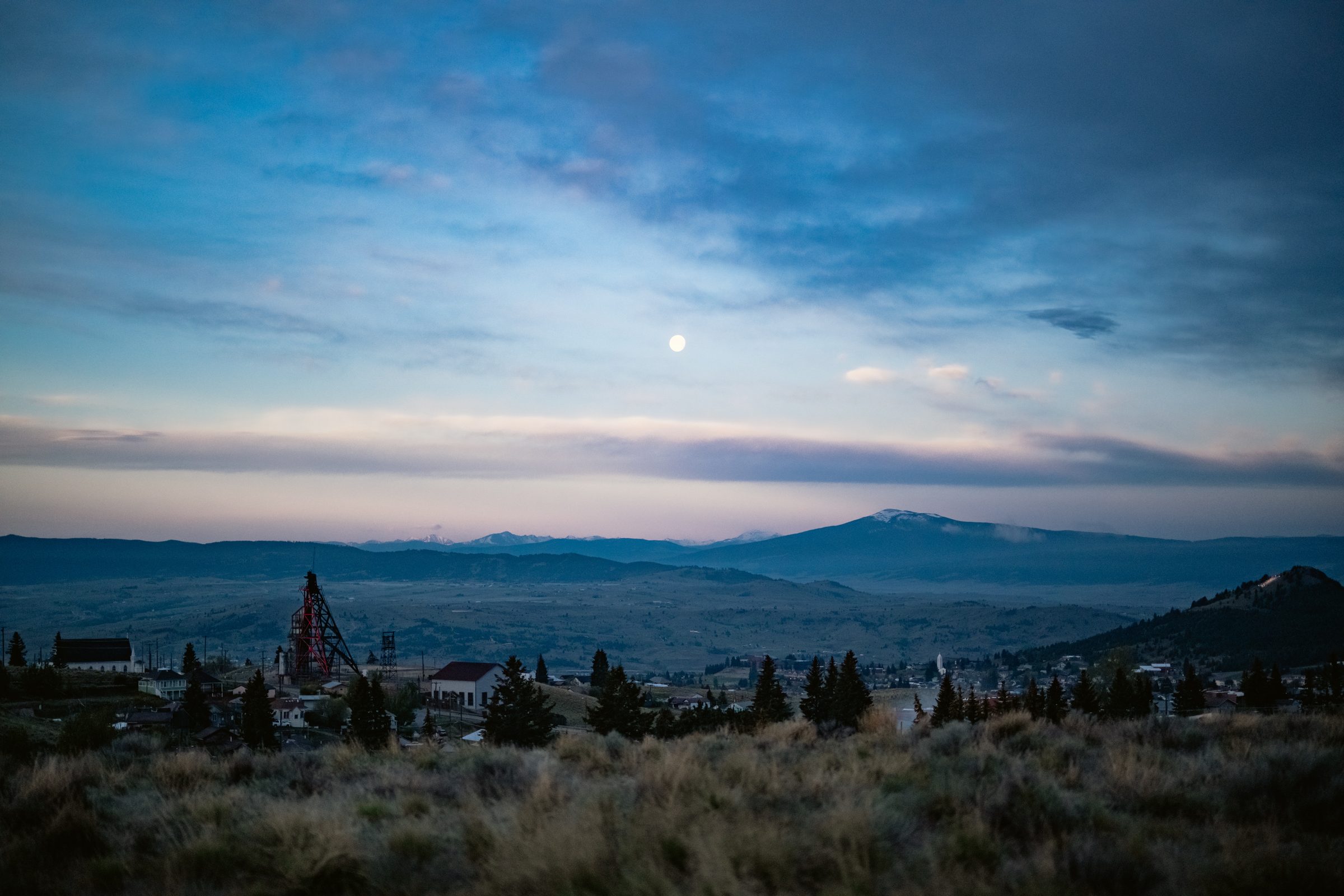
◆ From the archive · The steel that remains
1989 – Today
The Next Chapter
This chapter is still being written. The story goes back underground, into the silver and zinc veins of the Rainbow Block, on the same hill where the first pans hit gravel.
New Butte Mining
New Butte Mining Co. briefly operates the Rainbow Block between 1989 and 1991, mining 120,000 tonnes from the veins above the water table.
The resource, restated
Silver Bow Mining publishes the inaugural 170 Moz AgEq inferred Mineral Resource Estimate for the Rainbow Block under S-K 1300 and NI 43-101.
Drilling returns
Silver Bow Mining lists on the NYSE American as SBMT. Surface drilling and underground decline rehabilitation are underway on the hill.
1864 — Today
The hill’s story isn’t finished
Silver Bow Mining is writing the next chapter at the Rainbow Block, in the same silver-zinc veins the district first opened a century ago, this time with modern methods and modern standards.