
Rainbow
Block
The Project
A great “Silver Bow” of veins, visible on the surface, extending to depth.
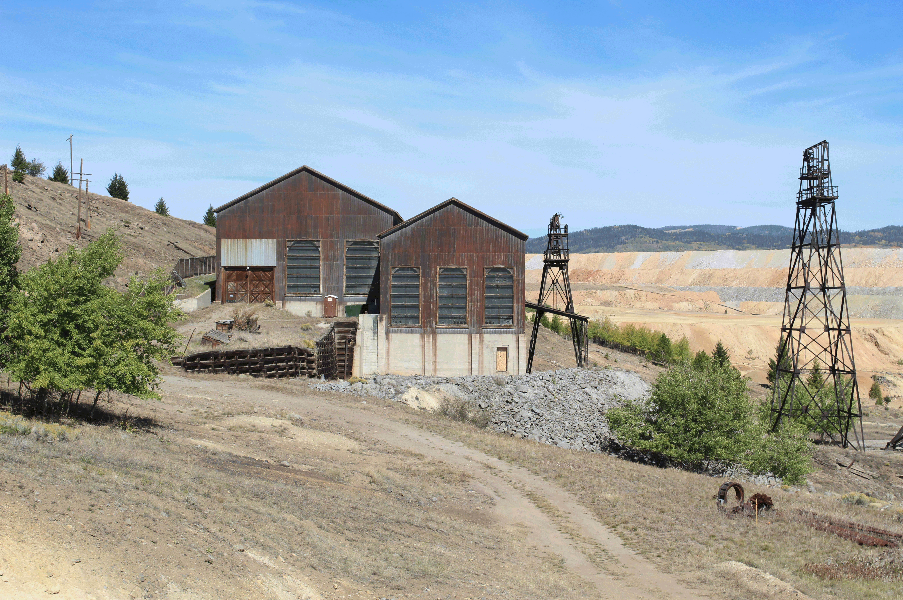
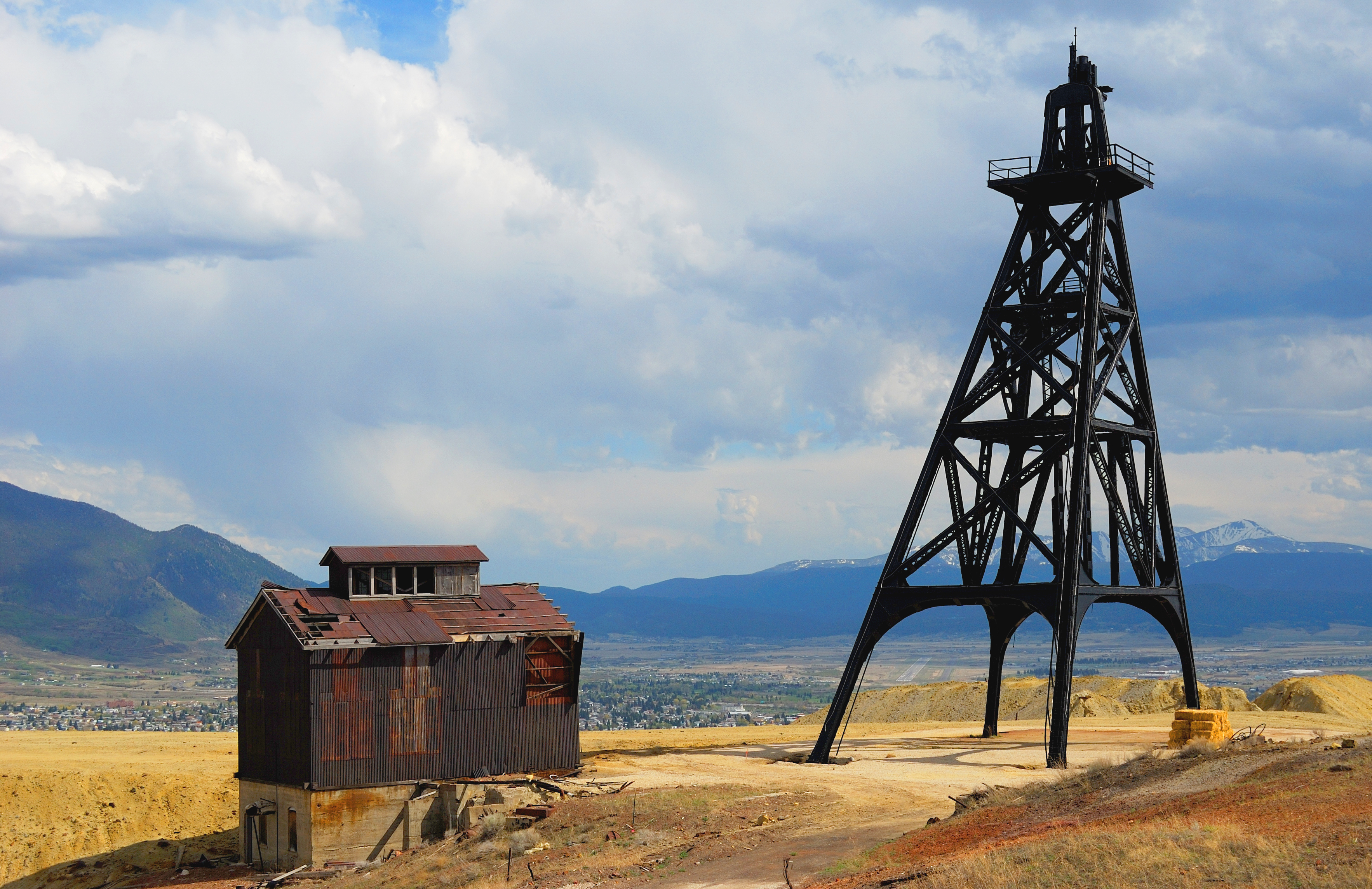
The Rainbow Block is an 878-acre land package located in Walkerville, Montana. It was first given its moniker by early miners for the great “Silver Bow” of veins visible on the surface, extending to depth. For over a century, the Anaconda Company mined these rich silver-zinc-copper veins, primarily focusing on deep copper deposits exceeding 4,000 feet.
Silver Bow Mining Corp. now targets promising silver-zinc-gold-lead vein structures above the current water table, including the Rainbow, State, Chief Joseph and Lexington Veins. The company focuses exclusively on underground mining methods. Silver, zinc, and lead are designated as Critical Minerals by the United States government.
The Butte mining district holds over 10,000 miles of tunnels. Our team has georeferenced and modeled the underground workings within the Rainbow Block.
U.S.-designated Critical Minerals targeted at the Rainbow Block, alongside gold. What the designations mean
What We Own
- Ownership of 4,210 acres of mineral rights district-wide — previously under a 50-year lease.
- Renegotiated royalty — NSR royalty renegotiated to 2% with a full buy-out right.
- Deep drill database — historical drill holes plus 8 recent diamond drill holes, compiled in the resource database.
- 15,000+ channel samples — Anaconda underground sampling on the actual veins, incorporated into the assay database and overseen by independent QPs.
- Constrained scope — resource limited to 1,000 ft depth, above the modern water table.
Where It Grows
Along strike · between current veins (Anaconda did not map veins under 7 ft) · at depth below the water table · and the ~328-acre Goldsmith Block, with gold-silver vein system extensions beyond the Rainbow Block.
“The Richest Hill on Earth”
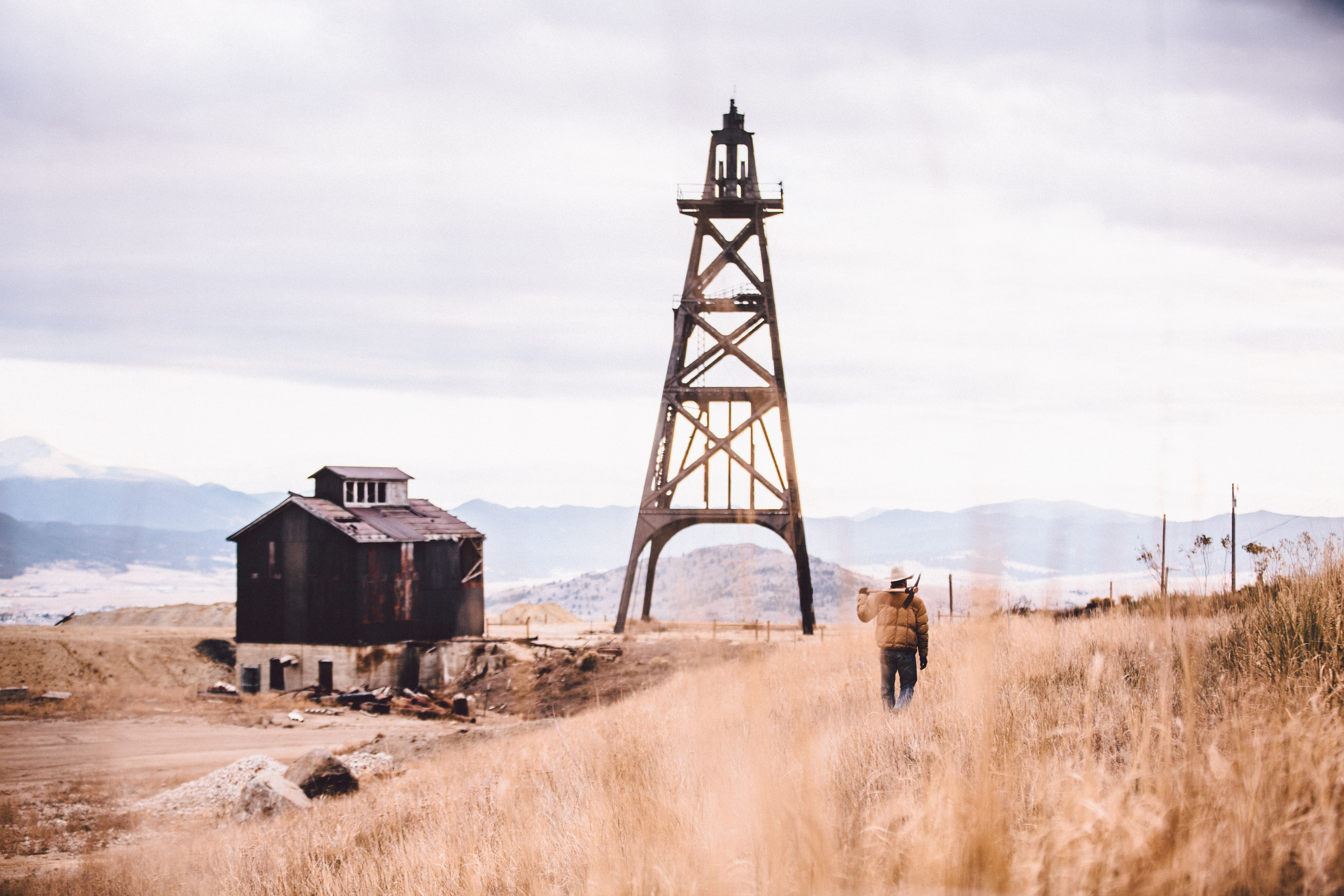
In 1896, five square miles of Butte produced 26% of the world’s copper.
Silver was being mined on a small scale as early as 1874 in Butte, Montana, but by the mid-1880s Anaconda encountered significant copper mineralization at depth. In 1896, an area of five square miles in the Butte Mining District produced 210 million pounds of copper annually, representing 26% of world supply, and 51% of the USA copper supply.
Butte’s copper mines produced approximately one-third of all copper mined in the United States during World War I. During World War II, Butte provided approximately 25% of all copper used in American wartime manufacturing. In the late 1910s, Anaconda expanded operations to the adjacent silver-zinc-lead veins. Between 1989 and 1991, New Butte Mining Co briefly operated, mining 120,000 t from the Rainbow Block.
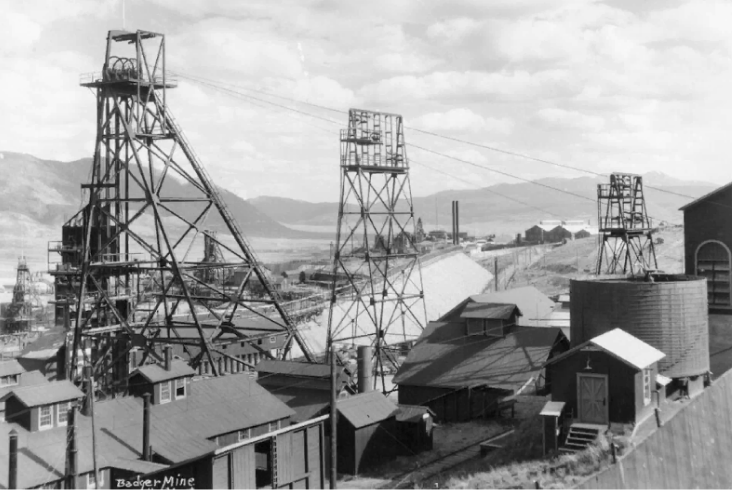
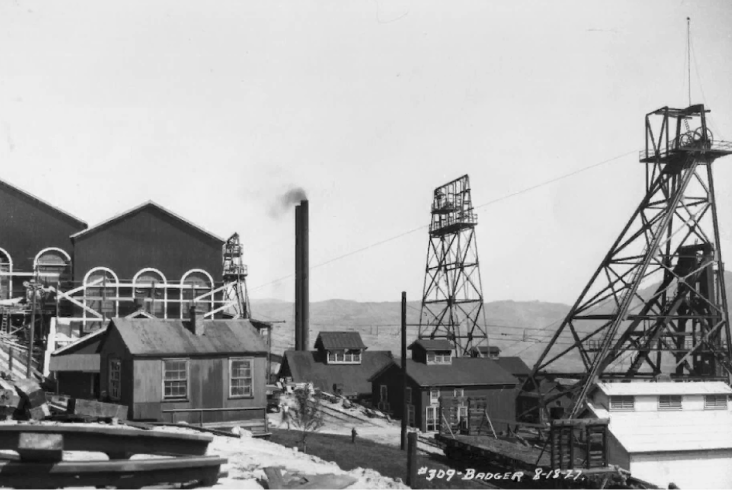
◆ Butte Mining District archives
Small-scale silver mining begins in Butte.
Anaconda encounters significant copper mineralization at depth.
Five square miles in Butte produce 26% of world copper supply.
Operations expand to the silver-zinc-lead veins.
New Butte Mining operates the Rainbow Block, mining 120,000 t.
Inaugural 170 Moz AgEq inferred Mineral Resource Estimate.
NYSE American listing: SBMT. Drilling and decline rehabilitation underway.
Cumulative district production
| Copper | 10.8 Mt |
| Silver | 715 Moz |
| Zinc | 2.5 Mt |
| Gold | 2.9 Moz |
Plus significant molybdenum and manganese.
Silver-zinc-lead mines, 1916–1967
| Silver | 67 Moz |
| Zinc | 3,600 Mlb |
| Lead | 470 Mlb |
Plus significant copper and gold credits.
Field Log
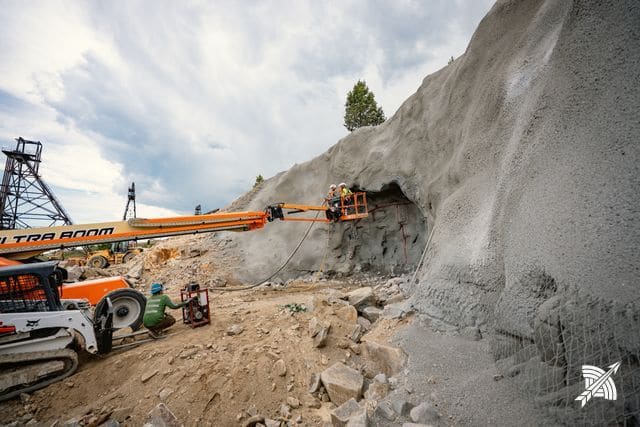
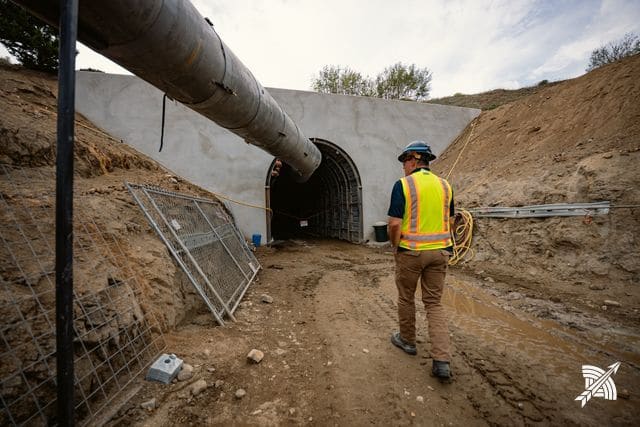
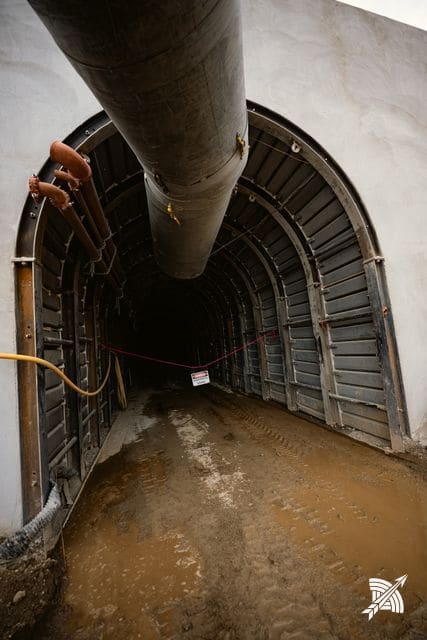
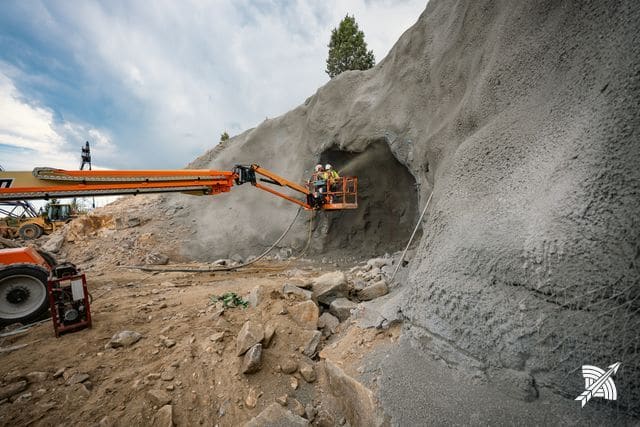
The property photographed as the work continues: the Chief Joseph portal, the crews, and the exploration program in progress. Browse by visit, or follow one viewpoint across dates — new frames added as they come in.
Technical Reports
The full Mineral Resource Estimate with the NI 43-101 Technical Report and S-K 1300 Technical Report Summary, prepared by Dahrouge Geological Consulting.
Drilling & Exploration
Drill highlights across 10 veins, first results from the active 25,000-foot surface program (including step-outs beyond the current resource boundary), and the underground exploration plan.

Deposit Mapping
Interactive presentation hosted by VRIFY. Open full screen ↗
Follow the Rainbow Block
Drill results and permitting milestones, as they’re released.